

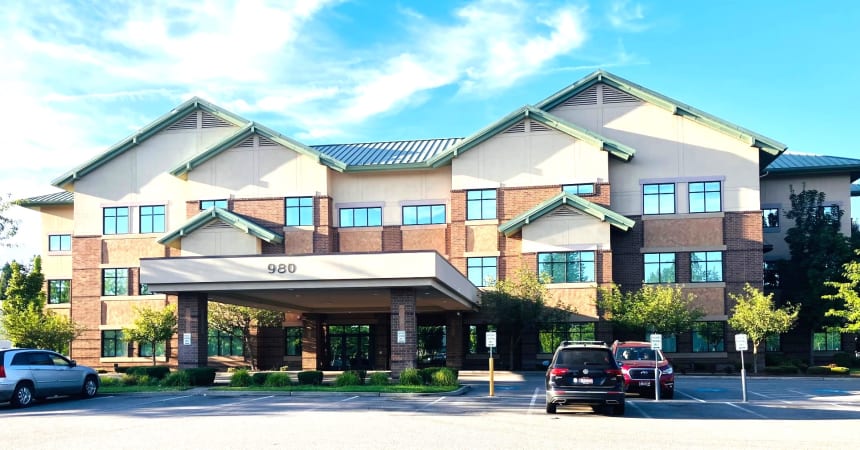

Request a new patient appointment with Pulse
Please submit your information to request a call back. A member of our team will call you within three business days to schedule an appointment.
New patient appointments are scheduled within approximately three weeks.
Pulse will honor a referral to any cardiology or vascular provider. If you have a referral to a provider outside of Pulse, we will be happy to work with you to get an appointment scheduled with one of our providers.
What are the types of cardiology?
There are several branches of cardiology that focus on different aspects of heart health.
General cardiology – General cardiologists focus on preventing, diagnosing and managing diseases and conditions of the heart. They work with other cardiology specialists to diagnose and treat cardiovascular conditions.
Electrophysiology – Electrophysiologists specialize in diagnosing, treating and managing heart rhythm problems, or arrhythmias. Treatments may include implanted devices or procedures like cardiac ablations.
Heart failure – Heart failure cardiologists are trained to treat patients with congestive heart failure, a condition that occurs when the heart can no longer pump enough blood to keep the body functioning normally. Treatment may include medications, surgery and lifestyle changes.
Noninvasive cardiology – Noninvasive cardiologists diagnose heart problems using non-surgical tests such as electrocardiogram (EKG/ECG), chest X-rays, exercise and stress tests, and other imaging.
Interventional/invasive cardiology – Interventional (or invasive) cardiologists are trained to perform surgical procedures to treat heart problems such as balloon angioplasty, stenting, percutaneous intervention (PCI), transcatheter aortic valve replacement (TAVR) and transcatheter mitral valve repair (TMVR).
When should I see a cardiologist?
Cardiologists specialize in the diagnosis and treatment of diseases or conditions of the heart and blood vessels (the cardiovascular system). They work with you and your health care team to provide the treatment and care you need for your heart condition.
If you are concerned about your heart health, the first step is to meet with your primary care provider and discuss your symptoms. Your provider will determine if you need a referral to a cardiologist.
When should I see an electrophysiologist?
Your primary care provider or cardiologist may refer you to an electrophysiologist if they believe you have a problem with the electrical activity of your heart (your heart rhythm). If your heart rate is faster or slower than normal or you have symptoms of heart rhythm problems such as dizziness, fainting or fluttering feelings in your chest, you may need to see an electrophysiologist.
What are the top signs and symptoms a cardiologist should check?
Some symptoms that may indicate you need to see a cardiologist include:
- Chest discomfort
- Shortness of breath
- Swelling in your legs
- High blood pressure
- Abnormally fast or slow heart rate
- Dizziness or fainting
- Family history of premature heart disease or cardiac death
- Leg pain or ulcers resulting from blood vessel diseases
Treatment for vascular conditions
Pulse Heart Institute offers the latest treatments for diseases that affect the peripheral vascular system — the arteries and veins outside the immediate area of the heart and lungs.
Peripheral vascular disease (PVD) is a blood circulation disorder where blood vessels outside the heart and brain spasm, narrow or become blocked. The disorder can occur in the arteries or veins that supply blood to the legs, arms, kidneys, stomach or head.
Our services include:
- Diagnostic screening and testing: Using the latest medical technology and diagnostic tools, we can provide you with a diagnosis for your symptoms and create a treatment plan.
- Surgery for peripheral vascular conditions: We perform a wide range of procedures to treat your condition.
- Surgery for varicose veins: Veins contain one-way valves to keep blood flowing correctly. If these valves malfunction, the vessels become engorged with blood and form varicose or spider veins.
When should I see a vascular provider?
Some people with vascular disease don’t experience any symptoms. For others, the disease begins with a common symptom of pain or cramping in the legs or arms that’s triggered by activity and stops with rest.
Other common symptoms include:
- Leg numbness or weakness
- Coldness in your lower leg or foot, especially when compared with the other side
- Numbness, weakness or heaviness in the legs or feet
- Thin, brittle or shiny skin on the legs or feet
- Diminished pulses in the legs or feet
- Hair loss on the legs
- Slow growth of toenails
- Impotence in men
- Reddish-blue discoloration of extremities