

Electrophysiology


Helping Hearts Keep the Beat
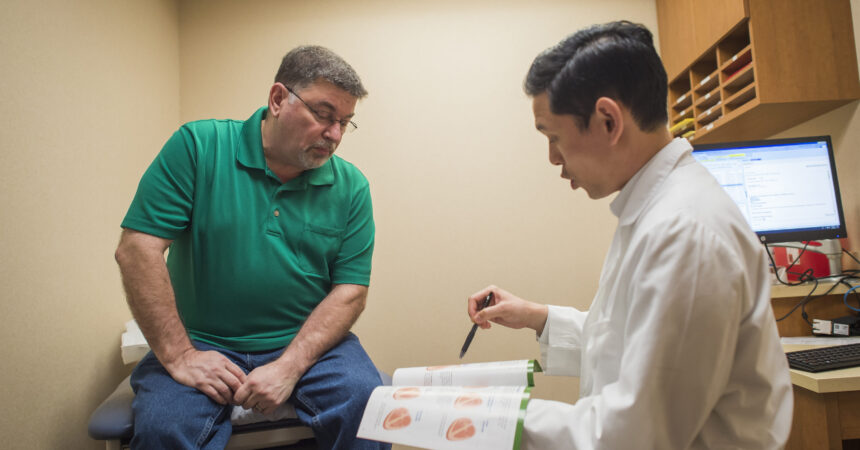
Electrophysiology is a cardiology subspecialty that focuses on your heart’s electrical activity and is used to diagnose abnormal heart rhythms. An electrophysiologist is a cardiologist who is specifically trained and specializes in treating cardiac problems that cause abnormal heart rhythms.
How We Help
At Pulse Heart Institute, our board-certified electrophysiologists can treat and repair a wide range of heart rhythm-related problems. Treating conditions that cause these problems may include catheter ablation and/or an implantable device. Our electrophysiology lab is a specially equipped catheterization lab devoted to correct these problems, and is the only lab in Washington state to offer radiation-free ablation therapy.
Common procedures we perform include:
Pulse Field Ablation (now available in both INW and PSR regions): Pulse field ablation (PFA) is a non‑thermal catheter ablation technology that uses short, high‑energy electrical pulses to selectively target cardiac tissue responsible for atrial fibrillation. This selectivity helps protect surrounding structures such as the esophagus and phrenic nerve, reducing risks traditionally associated with thermal ablation methods like radiofrequency or cryoablation. PFA also offers significantly shorter procedure and ablation times, which can decrease anesthesia duration and improve overall workflow efficiency in the electrophysiology lab. Clinical studies have demonstrated high rates of successful pulmonary vein isolation with very low complication rates, reinforcing its safety and effectiveness. As a result, PFA is increasingly regarded as a promising next‑generation option for treating atrial fibrillation with both speed and improved safety margins.
Catheter Ablation: Many rhythm problems are caused by abnormal heart tissues. The abnormal tissue creates an alternate pathway for the electrical pulses that cause the heart to beat. These new pathways interfere with the heart’s normal rhythm because the electrical signals aren’t being delivered correctly. Catheter ablation methods use either Radiofrequency (extreme heat), Cryo (extreme cold) or Pulse field ablation (PFA) to destroy small areas of abnormal heart tissue to restore normal electrical pathways so the heart can beat normally again.
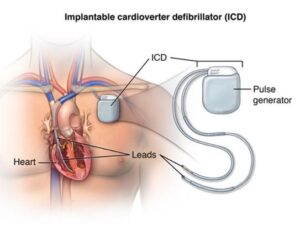
Defibrillator Placement: An internal cardioverter defibrillator (ICD) is a small device that is used to prevent or correct a heartbeat that is too slow, too fast, or suddenly stops. When the ICD senses these issues it can restore a normal heartbeat by sending an electronic pulse to the heart. It is implanted in a small pouch under the skin near the heart. The electrophysiologist uses a catheter to thread the ICD wires through a vein and attach them to the heart muscle.
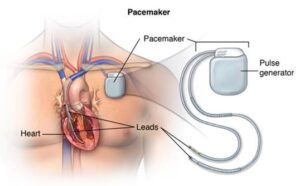
Pacemaker Implantation: A pacemaker is a small electrical device that is also implanted in a small pouch under the skin near the heart. Some pacemakers use wires attached to the heart muscle and others are wireless. They are used to control the rate and rhythm of your heartbeat to keep it regulated.
Watchman Implant: Pulse Heart Institute now offers the FDA-approved WATCHMAN implant, a permanent device that offers an alternative to lifelong blood thinner use, and that can reduce patients’ risk of stroke as effectively as warfarin. Studies have shown that 9 out of 10 patients who receive the WATCHMAN implant can stop taking warfarin 45 days after the WATCHMAN procedure.